Wenda Electronics
In the world of technology, "Cable Connectors" play a crucial role. They facilitate communication between devices and systems. John Smith, an industry expert, once said, "The right cable connectors can make or break your project's success." This statement emphasizes the importance of selecting the best connectors for global sourcing.
Many businesses struggle with choosing the appropriate cable connectors. With various options available, it can be overwhelming. Understanding the specifications and compatibility is essential. Different applications require different types of connectors, and failing to grasp these differences can lead to costly mistakes.
Engaging with experts and examining case studies can enhance your understanding. Reflecting on past experiences can shed light on common pitfalls. Selecting the right cable connectors is not just about functionality; it's also about reliability and longevity. An informed decision can lead to improved performance and satisfaction in your technology projects.
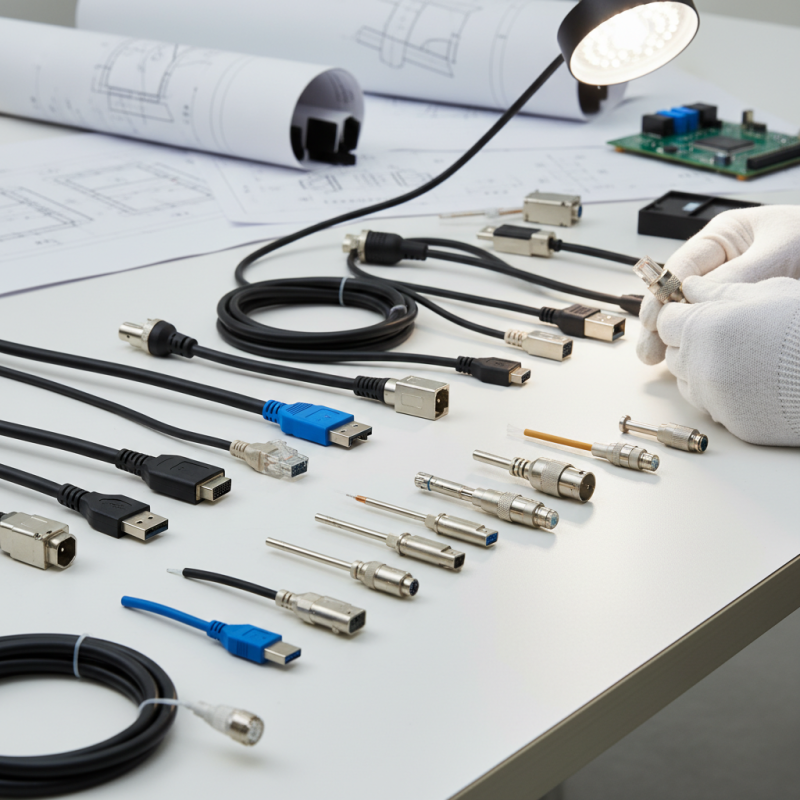
Cable connectors play a crucial role in modern global sourcing. They facilitate efficient communication and power transfer in various applications, from electronics to automotive. Research shows a growing demand for high-quality connectors, with the global market expected to reach $116.5 billion by 2025. This growth highlights the significance of dependable connections in supply chains.
Many industries rely on cable connectors. For instance, the telecommunications sector needs robust connectors for network reliability. According to a 2021 report, nearly 70% of electronics manufacturers prioritize connector quality. Poor connections can lead to operational downtime and increased costs. This underscores the need for thorough supplier assessments in global sourcing.
Reflecting on connector selection, consistency in quality is vital. Some manufacturers may cut corners, compromising performance. It's essential to evaluate potential suppliers carefully. Trust can make or break relationships. Experience in the field reveals that transparency and reliability are key elements. Sourcing high-quality cable connectors supports long-term operational efficiency and innovation.
Choosing the right cable connectors is essential for global sourcing. Several key features should be considered. Compatibility is crucial. Ensure the connectors can easily integrate with your existing systems. Look for materials that offer durability. High-quality materials resist wear and tear.
Connectivity options also matter. Different projects may require various configurations. Evaluate the number of contacts and pin arrangements. These factors influence efficiency and performance. Search for connectors that support multiple standards. This versatility enhances usability in diverse applications.
Don't overlook environmental factors. Some connectors are designed for specific conditions. Assess if they can withstand temperature variations or moisture. Make sure to consider certifications. They demonstrate compliance with industry standards. This adds credibility to your sourcing choices. Not every connector will meet your needs perfectly. Some may require adjustments or modifications. Reflect on these aspects during selection.
In today’s diverse applications, choosing the right cable connector is crucial. Whether you’re working in telecommunications or industrial automation, a reliable connector makes a difference. Common types include USB, Ethernet, and coaxial connectors. Each serves unique purposes and environments.
When selecting connectors, consider factors like durability and compatibility. The application environment can significantly affect performance. For outdoor setups, opt for weather-resistant connectors. For high-speed transfers, prioritize connectors with superior data handling capabilities.
Tips: Always verify specifications before purchase. Testing connectors in your specific application can prevent future issues. Evaluate your needs thoroughly. Sometimes, a less expensive connector may perform just as well for your requirements.
When considering cable connectors, the choice of materials is crucial. Different materials impact durability, conductivity, and overall performance. For instance, copper connectors are well-known for their excellent conductivity. They are often used in high-performance applications where efficient signal transmission is essential. However, copper can be prone to corrosion over time, especially in humid environments. This could lead to a decrease in performance and may require regular maintenance or replacement.
On the other hand, aluminum connectors are lighter and more affordable. They are resistant to corrosion but may not provide the same level of conductivity as copper. This makes them suitable for applications where weight is a concern but may not fulfill high-end electrical requirements. Consideration must also be given to the insulation materials used. PVC is common, but it may not withstand extreme temperatures as well as thermoplastic elastomers.
It's vital to evaluate the specific needs of your application. Each material type comes with its own set of advantages and disadvantages. Finding the right balance is important. Reflect on factors like environment and intended use. Understanding these details can help make a more informed selection.
| Connector Type | Material Type | Max Voltage (V) | Max Current (A) | Operating Temperature (°C) | Applications |
|---|---|---|---|---|---|
| RJ45 Connector | Polycarbonate | 300 | 1 | -20 to 70 | Networking |
| USB Connector | PVC | 20 | 3 | 0 to 70 | Data Transfer |
| HDMI Connector | Zinc Alloy | 50 | 5 | -10 to 80 | Video Transfer |
| Cannon Connector | Aluminum | 250 | 10 | -40 to 85 | Audio Equipment |
| M8 Connector | Nylon | 60 | 4 | -25 to 70 | Industrial Automation |
| BNC Connector | Brass | 400 | 2 | -20 to 75 | Television and Broadcasting |
| SATA Connector | Polypropylene | 50 | 3 | 0 to 70 | Data Storage |
| RCA Connector | Copper | 25 | 2 | -10 to 80 | Audio and Video Equipment |
| XLR Connector | Aluminum | 120 | 5 | -40 to 90 | Professional Audio |
| SC Connector | Ceramic | 100 | 1 | -10 to 70 | Fiber Optics |
The future of cable connector innovations is driven by increasing demand for efficient and reliable connectivity across various industries. According to a recent industry report, the global cable connector market is projected to reach $27 billion by 2025, driven by advancements in technology and consumer preferences. This growth highlights the necessity for more innovative solutions that meet evolving needs.
One key trend is the rising adoption of smart connectors. These connectors feature integrated sensors and can communicate usage data, enhancing overall performance. Innovations like these are crucial as industries move towards automation. However, the integration of such technologies poses challenges related to compatibility and cost-effectiveness. Organizations must consider these factors carefully to stay competitive.
Tips: When selecting cable connectors, prioritize connectors that can handle high-speed data transfer. This is pivotal for IoT applications. Additionally, seek components that offer durability to withstand harsh environmental conditions. Regular market analysis can also help in identifying emerging trends and innovations, ensuring that sourcing remains relevant in a rapidly evolving landscape.
: Cable connectors enable efficient communication and power transfer in various applications, crucial for supply chain effectiveness.
Poor connections can lead to downtime and increased costs, highlighting the need for thorough supplier assessments.
Copper and aluminum are popular. Copper offers excellent conductivity, while aluminum is lighter and resistant to corrosion.
Copper can corrode over time, especially in humid conditions, leading to decreased performance and maintenance needs.
Common types like PVC may fail under extreme temperatures, while thermoplastic elastomers can offer better performance.
The rise of smart connectors featuring integrated sensors for data communication to enhance performance is significant.
Compatibility issues and cost-effectiveness can be complicated as technology evolves, necessitating careful organization considerations.
It's important to consider application needs, environmental conditions, and seek durable, high-speed connectors for optimal performance.
The global market is expected to reach $27 billion by 2025, driven by technological advancements and consumer demands.
Regular market analysis is essential to identify emerging trends and maintain relevance in a rapidly changing industry landscape.
Cable connectors play a crucial role in global sourcing, serving as vital components for electrical connections across various industries. Understanding their significance is essential for sourcing professionals who seek reliable and efficient solutions. When selecting cable connectors, it's imperative to consider key features such as durability, compatibility, and ease of installation.
The article highlights the top 10 cable connectors suitable for diverse applications, taking into account their material types and performance characteristics. Additionally, a comparison of different materials helps sourcing experts make informed decisions based on their specific requirements. As technology evolves, the future trends in cable connector innovations point towards enhanced functionality and sustainability, ensuring that cable connectors will continue to meet the demands of a rapidly changing market.
