
Wenda Electronics
Choosing the right wire electrical connector is crucial for any electrical project. These connectors play a vital role in ensuring safety and reliability. They affect the overall performance of electrical systems. A poor choice can lead to failures or safety hazards.
Understanding the various types of wire electrical connectors is essential. Each type is designed for specific applications. Selecting the correct one can enhance efficiency and reduce the risk of malfunctions. Users often undervalue this decision, which can lead to costly repairs.
Consider factors such as wire gauge and application type. The right wire electrical connector can make a significant difference. However, knowing when to ask for help is also important. Expert advice can guide users toward the best choice. In some cases, what seems simple can be quite complex. Taking time to make the right decision ensures long-term success.
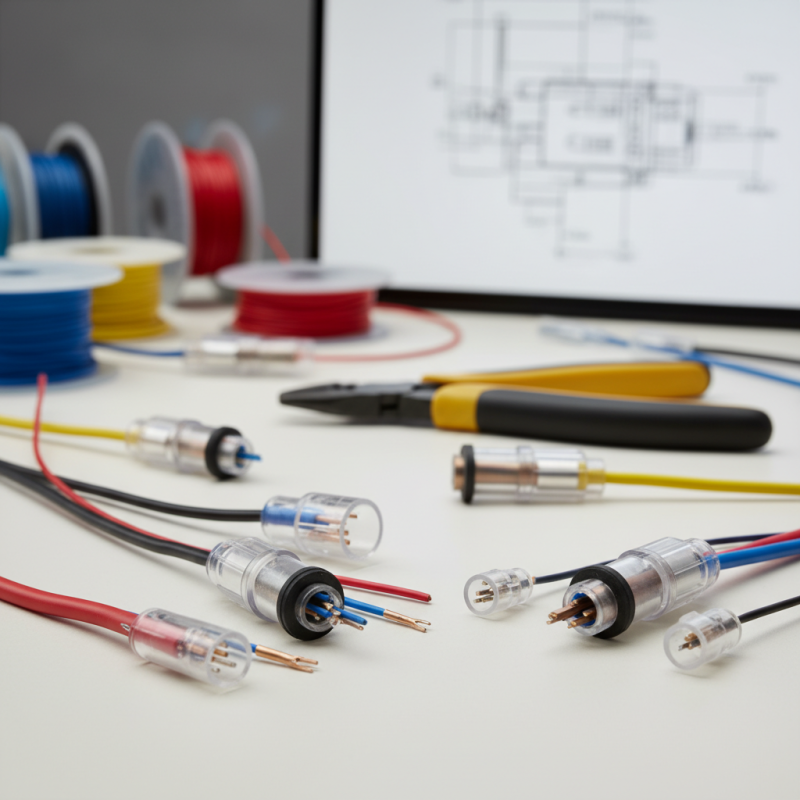
Selecting the right wire electrical connector is crucial for safety and efficiency. Proper connectors prevent failures that may lead to costly injuries or downtime. According to a recent industry report, 30% of electrical failures stem from poor connections. These failures often result in repairs that could exceed thousands of dollars.
Understanding the specifications of wire connectors is essential. The right connector must match wire gauge, voltage rating, and environmental factors. For instance, a connector used outdoors needs to withstand moisture and temperature fluctuations. Data indicates that connectors failing to meet these criteria can shorten a system's lifespan by up to 40%.
Some might think that any connector will do for simple projects. However, that assumption can backfire. A poorly chosen connector may lead to intermittent connections, increasing maintenance costs. Choosing wisely requires time and research, but the potential savings in safety and reliability are significant.
When selecting wire electrical connectors, understanding the types available is crucial. Wire connectors come in various forms, each serving unique applications. For instance, twist-on wire connectors are common in residential projects. They provide a strong, secure connection that is easy to install. These connectors work well for low-voltage applications and general wiring tasks.
Another option is the crimp connector, widely used in automotive and industrial settings. These connectors create a solid mechanical bond, which is essential for high-vibration environments. Crimp connectors require specific tools for installation, making them slightly more complex but very reliable. Their advantage lies in their ability to handle higher currents compared to twist-on connectors.
For more robust needs, you might consider solder connectors. Soldering provides a permanent bond that ensures excellent conductivity. However, it requires skill and careful technique. Improper soldering can lead to weak connections, which are unreliable. Overall, matching the connector type to your project demands enhances safety and performance, minimizing the risk of failures.
When selecting electrical connectors, several key factors must be analyzed.
Compatibility is paramount. The voltage and current ratings should match your project requirements.
For instance, connectors rated for 250V may not suffice for higher demands.
Ensuring the correct specifications can prevent overheating and failures.
According to a report by the International Electrotechnical Commission (IEC), improperly rated connectors lead to
20% of electrical failures.
Temperature tolerance is another critical consideration. Materials used in connectors, such as copper and aluminum, vary in their heat resistance.
Increased temperatures can lead to material degradation. In extreme cases, connectors may melt or fail. Studies show that connectors in high-heat environments often need replacements sooner, impacting overall project efficiency.
Lastly, environmental conditions should not be overlooked. Factors such as moisture, dust, and chemicals can affect connectors' performance.
For example, connectors rated for outdoor use often feature protective coatings. Ignoring these aspects could result in costly maintenance and downtime.
A well-rounded analysis can lead to better decisions, enhancing reliability in electrical systems.
When selecting wire electrical connectors, many encounter common pitfalls. A frequent mistake is overlooking the connector's current and voltage ratings. Using a connector that can’t handle the load may lead to overheating or even failure. Always check specifications before making a choice. Testing under real conditions provides insights that numbers alone cannot convey.
Another oversight is the choice of material. Different environments require different materials. PVC might work indoors but fail outdoors. Corrosion resistance is vital in humid conditions. Ensure the connector can withstand the setting where you plan to use it. Ignoring environmental factors can lead to premature failure.
Size matters. Some may assume a one-size-fits-all approach. However, selecting connectors that are too large or too small can result in loose connections. This increases resistance and can create hotspots. It's crucial to handle each selection with care, as overlooking these aspects can lead to larger issues down the line.
Choosing the right wire electrical connector is crucial for performance. Proper connectors enhance safety and longevity. A study by the Electrical Safety Foundation International found that over 66% of electrical failures originate from poor connections. Hence, selecting the proper type is essential.
Ensuring optimal performance requires attention to detail. Match the connector type to the wire gauge and application. Using the wrong connector can lead to overheating or failure. According to a report by IEEE, connectors with inadequate strain relief can reduce a connection’s lifespan by as much as 50%.
Regular inspections play a vital role. Check for corrosion, wear, or loose connections routinely. Inadequate maintenance can result in unexpected outages and expensive repairs. Also, employing the correct torque settings during installation can significantly impact performance. Failure to do so might create inconsistent connections.
: Common types include twist-on, crimp, and solder connectors. Each serves unique needs in projects.
Twist-on connectors are easy to install and provide secure connections. They work well for low-voltage applications.
Crimp connectors create a solid bond, handling higher currents. They are reliable in high-vibration environments.
Soldering requires skill. Improper technique can lead to weak connections, which may be unreliable.
Compatibility is critical. Voltage and current ratings must match project needs to prevent failures.
High temperatures can degrade materials. Connectors may melt or fail if not rated for extreme conditions.
Moisture, dust, and chemicals can affect performance. Connectors for outdoor use often require protective coatings.
Regular checks for corrosion or wear prevent outages. Maintenance helps ensure reliable electrical systems.
Incorrect torque can cause inconsistent connections, leading to performance issues. Detail matters in installation.
Using the wrong type for the wire gauge can lead to overheating. Always match connectors to specific applications.
Selecting the right Wire Electrical Connector is crucial for ensuring reliable and efficient electrical connections. Understanding the importance of these connectors involves recognizing the variety of types available and their specific applications, which range from simple household wiring to complex industrial setups. Factors such as current rating, environmental conditions, and compatibility with wire gauge must be considered during selection to prevent performance issues.
Moreover, avoiding common mistakes, such as choosing the wrong connector type or ignoring manufacturer specifications, can significantly enhance the longevity and safety of the connection. By following practical tips for optimal performance—like regular inspections and proper installation techniques—users can ensure that their Wire Electrical Connectors function effectively, ultimately contributing to the safety and efficiency of their electrical systems.
