In the world of electrical projects, the choice of components greatly impacts the overall success of the installation. Terminal Blocks stand out as reliable solutions for organizing and securing electrical connections. These devices ensure efficient power distribution, which is critical for both safety and functionality. They allow for easy connections and disconnections of wiring, making troubleshooting straightforward.
Choosing the right Terminal Blocks can enhance circuit performance. They come in various sizes and configurations, suitable for different applications. This versatility makes them popular among engineers and electricians alike. However, improper selection can lead to issues like overheating or poor connections. Detailed knowledge of specifications is essential.
While Terminal Blocks may seem simple, their role is fundamental. Every project requires careful consideration of component choices. The right Terminal Blocks can streamline operations and enhance safety. Mistakes here can have significant consequences. Understanding these elements is crucial for anyone engaged in electrical work.
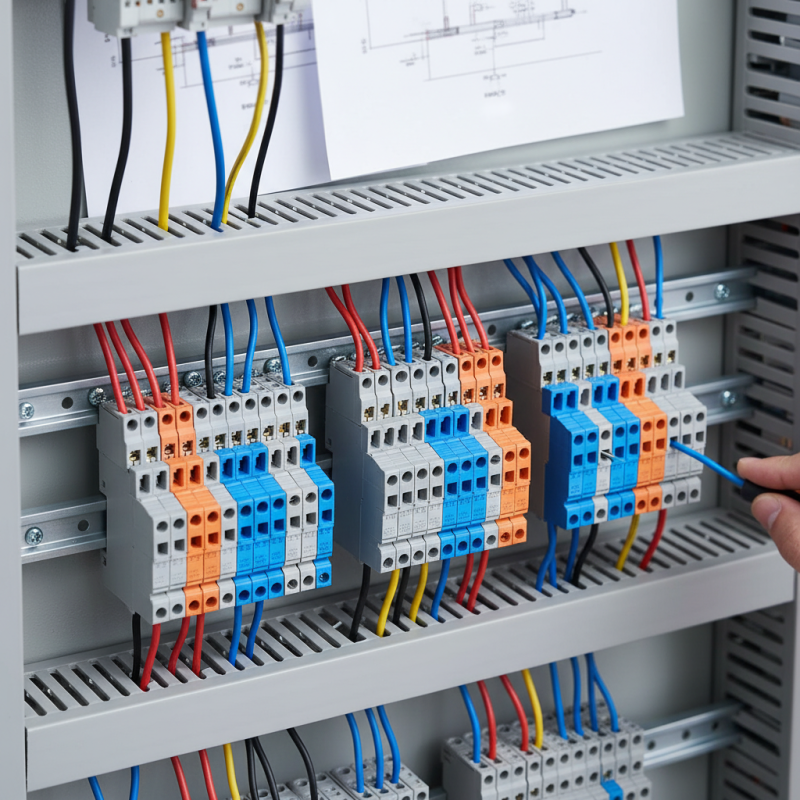
Advantages of Using Terminal Blocks in Electrical Projects
Terminal blocks are essential components in electrical projects. They provide a secure and organized way to connect electrical wires. This promotes safety and efficiency in your work. Their design allows for easy connections, which can be a huge time-saver on complex tasks. Newcomers and seasoned professionals alike can benefit from their straightforward functionality.
One of the significant advantages of terminal blocks is their versatility. They can accommodate various wire sizes and types. This flexibility means you can adapt to different project requirements easily. Many projects face challenges regarding space and organization. Terminal blocks help manage these issues effectively. However, improper installation can lead to problems like overheating. It’s crucial to ensure that connections are tight and properly insulated.
Moreover, terminal blocks enhance reliability in electrical systems. They provide a clear connection point for multiple wires. This clarity reduces confusion during troubleshooting. Yet, not all terminal blocks are created equal. The choice of materials and ratings matters significantly. Always consider the specific demands of your projects. Experience shows that investing time in selecting the right components pays off in the long run.
Different Types of Terminal Blocks and Their Applications
Terminal blocks serve a crucial role in electrical projects, acting as connection points for electrical wires. There are several types of terminal blocks, each designed for specific applications. One common type is the
barrier terminal block.
It provides a secure connection and is ideal for high-voltage environments. This type often requires careful handling to prevent short circuits.
Another popular option is the
euro-style terminal block.
These blocks are favored for their compact design and versatility. They can accommodate various wire sizes, making them suitable for different installations. However, users must ensure that the selected block matches the project requirements.
Screw terminal blocks are also widely used, especially in industrial settings. They provide a robust connection and are easy to install. But improper tightening of screws may lead to unreliable connections.
Ultimately, choosing the right type of terminal block depends on the specific needs of your electrical project. Attention to detail and understanding the application are essential for achieving reliable results.
How to Properly Install Terminal Blocks for Optimal Performance
When installing terminal blocks, the focus should be on achieving optimal performance. Start by ensuring that the terminal blocks are rated for the voltage and current of your project. Check the specifications before installation. Using the wrong type can lead to overheating or failures. Properly stripping the wires is crucial. Ensure the wires are stripped to the recommended length. Uneven or short strips can cause poor connections.
Make sure you tighten the screws securely after inserting the wires. Loose connections can lead to arcing and potential hazards. A torque screwdriver can aid in achieving the correct tension. Labeling the terminal blocks is also helpful for future maintenance. This creates clarity in complex setups and eases troubleshooting down the line.
Documentation plays a vital role in ensuring long-term success. Write down the configuration and any unique wiring details. This can prevent confusion during repairs or upgrades. Installations should always be reviewed for compliance with safety standards in your area. An overlooked step can lead to serious issues later. Keeping organized and informed will promote reliability in your electrical projects.
Key Considerations When Choosing Terminal Blocks for Your Project
When choosing terminal blocks for electrical projects, various factors deserve careful consideration. Proper selection is crucial for ensuring reliability and safety. According to a report by Research and Markets, the global market for terminal blocks is expected to grow significantly, reflecting increasing industrial demand.
One key aspect is the type of connection needed. Terminal blocks come in several varieties, including screw-type, spring-clamp, and push-in variants. Each type offers distinct advantages. Screw-type blocks, for example, are reliable but may require more maintenance. On the other hand, push-in blocks boast quick installation, yet they can be less tolerant to vibrations.
Another consideration is the insulation material. Common options include thermoplastics and thermoset materials, each with different thermal properties. Proper insulation is vital in preventing short circuits and ensuring user safety. Industry experts emphasize the importance of evaluating environmental factors, such as temperature and moisture levels, as these can impact the longevity and reliability of terminal blocks. Ultimately, careful evaluation can help you select the right terminal block for specific needs, balancing ease of use with system integrity.
Why Choose Terminal Blocks for Your Electrical Projects? - Key Considerations When Choosing Terminal Blocks for Your Project
| Criteria |
Description |
Key Benefits |
| Material Type |
Common materials include plastic, metal, and ceramic. |
Durability and resistance to environmental factors. |
| Wire Size Compatibility |
Can accommodate a range of wire sizes, from small to large gauge. |
Versatility for different electrical projects. |
| Mounting Type |
Available in panel mount, din rail mount, and more. |
Ease of installation and space efficiency. |
| Number of Terminals |
Ranges from single terminal to multi-terminal blocks. |
Flexibility in circuit design. |
| Current Rating |
Rated for varying amperage depending on the model. |
Safety and compliance with electrical standards. |
| Voltage Rating |
Designed for specific voltage applications (ex. 600V, 1000V). |
Prevention of electrical failures and hazards. |
Common Mistakes to Avoid When Working with Terminal Blocks
When working with terminal blocks, it’s crucial to avoid common mistakes that can lead to serious issues. One frequent error is improper sizing. According to a report by the Institute of Electrical and Electronics Engineers (IEEE), approximately 30% of electrical failures in industrial environments result from incorrect component sizing. This often leads to overheating and potential system failure. Make sure you select terminal blocks that fit both the wire gauge and the application requirements.
Another common mistake is neglecting proper installation practices. A study from the National Electrical Manufacturers Association (NEMA) highlights that poor connections are responsible for nearly 20% of electrical faults. Ensuring that connections are secure and compliant with industry standards is vital. Inadequate tightening or misalignment can cause premature wear or failure. It's essential to adhere to torque specifications and use the right tools during installation.
Overlooking environmental considerations can also lead to complications. Terminal blocks may be exposed to dust, moisture, or vibrations. A report from the International Electrotechnical Commission (IEC) states that environmental factors can degrade electrical components, affecting their performance. Use terminal blocks suited for your specific environment. This attention to detail can save time and costs in the long run.
FAQS
: Terminal blocks are connection points for electrical wires in various electrical projects. They ensure secure wire connections.
Barrier terminal blocks provide secure connections and are ideal for high-voltage environments. Handle them carefully to avoid short circuits.
Always check the voltage and current ratings of the terminal blocks. Using the wrong type can result in overheating.
Strip wires to the recommended length and tighten screws securely. Loose connections may cause arcing and safety hazards.
Euro-style terminal blocks are compact and versatile. They can accommodate different wire sizes. Match the block to your project needs.
Label the terminal blocks for future reference. Proper documentation helps with repairs and upgrades, preventing confusion.
Yes, a torque screwdriver helps achieve the correct tension on screws. Proper tension is vital for reliable connections.
Uneven wire strips can lead to poor connections. Always ensure even stripping for optimal performance.
Compliance ensures safety and reliability. Overlooking this can lead to serious issues later on in electrical projects.
Write down configurations and unique wiring details. Clear documentation is essential for long-term success and troubleshooting.
Conclusion
Terminal blocks are essential components in electrical projects, offering numerous advantages such as improved organization and reliability of connections. They come in various types, including barrier, screw-type, and pluggable terminal blocks, each suited for specific applications ranging from simple wiring tasks to complex industrial setups. Proper installation is crucial for optimal performance, ensuring secure connections that minimize the risk of electrical failures.
When selecting terminal blocks, key considerations include the current and voltage rating, the required number of connections, and environmental conditions. Additionally, avoiding common mistakes, such as incorrect wiring or overloading the blocks, is vital for maintaining safety and functionality in any electrical project. By understanding these aspects, professionals can effectively utilize terminal blocks to enhance the efficiency and safety of their electrical systems.
 Wenda Electronics
